Sabi Sand Safari


A brief history of The Sabi Sand
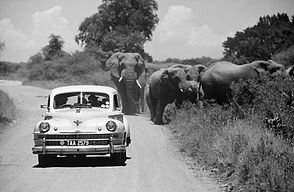


Courtesy of A History of Londolozi
In 1948 the Sabi Sands was officially proclaimed a national reserve, however the 65,000 hectare reserve’s history dates all the way back to 1898 when the area became part of the Sabi Reserve, the forerunner to the Kruger National Park.
Much of the Sabi Sands land was used for agricultural purposes, but when cattle farms started to occur, a reliable source of water was needed to sustain the farms. This is what has become the ‘secret’ to the Sabi Sands wildlife abundance. Boreholes were drilled to supply continuous water to the seasonal land, so when the Sabi Sands reserve was established in 1934, all the water sources and dams were kept intact allowing the abundance of wildlife to access water throughout the year, regardless of the seasonal factors.
In 1926 the National Parks Act was passed, excising the original agricultural landowners from the national land and the Kruger Park was extended. The new landowners formed the private Sabi Reserve in 1934, which became the Sabi Sand Wildtuin in 1948. Of these ‘pioneering’ land owners, six families still own land in the Sabi Sands Game Reserve, they are now third and fourth generation owners, their legacy being the successful conservation of the highest density of big game in South Africa.
Sabi Sands has been at the forefront of sustainable wildlife management.
The reserve’s landowners have a vested interest in maintaining the health of the ecosystem, as the success of their lodges and safari operations depends on the continued presence of wildlife. As a result, the reserve has implemented various conservation programmes to protect endangered species, manage the impact of tourism, and ensure the long-term sustainability of the environment.
Another notable feature is the controlled access to the reserve. Only guests staying in one of the exclusive lodges within the reserve are allowed to enter, which limits the impact of human activity on the environment